
Explore ways to begin a sustainable lifestyle!
Not just for educators, professionals, or Filipinos. This page is for everyone!
If you want to be part of the solution, this is the place for you. No matter who WE are, WE can always do something to help our ever-changing environment. We believe no solution is too “small” for our planet, so anything you do to support a sustainable lifestyle counts!
Here are some tips prepared by KlimaPapel to help you begin your journey!
1. Make Conscious Food Choices

Did you know that our everyday food choices can affect the environment? From how we produce food to how much we consume and eventually throw away, our eating habits can make a difference! You may have heard that vegetarian, vegan, or plant-based diets can help reduce our environmental impact. While choosing more plant-based foods can help, you DON’T have to become vegetarian or vegan to start your sustainable lifestyle journey!
BUT REMEMBER! Sustainable eating is not about completely changing your diet overnight or giving up all your favorite dishes. It’s about becoming more mindful of what we eat, where our food comes from, and how much we actually need.
HERE’S A TIP: Try preparing one plant-based meal a week! You don’t have to give up your favorite dishes. Sometimes, simply adding more vegetables or experimenting with familiar ingredients is already a good place to start.
Sustainable eating is not about being perfect. It’s about making informed choices and finding habits that you can maintain.
2. Look for Eco-Friendly Alternatives
An eco-friendly set of cotton pads gave birth to KlimaPapel. Sounds weird, right? It’s true, though. My curiosity about alternatives to cotton balls made me more conscious of my relationship with the environment.
Years ago, it was hard to avoid buying plastic or animal-product items. Today, many sustainable shops offer alternatives made with the environment in mind. You can now shop for eco-friendly skincare application items, kitchen tools, clothing, and even accessories, some of which are made in the Philippines. BUT STILL, be careful of greenwashing companies that use manipulative sustainability taglines and captions to claim they’re eco-friendly.
Here are the 10 Best Eco-friendly Stores in the Philippines – (Article by Cath Mallo)

3. Support Local Farmers and Shops!
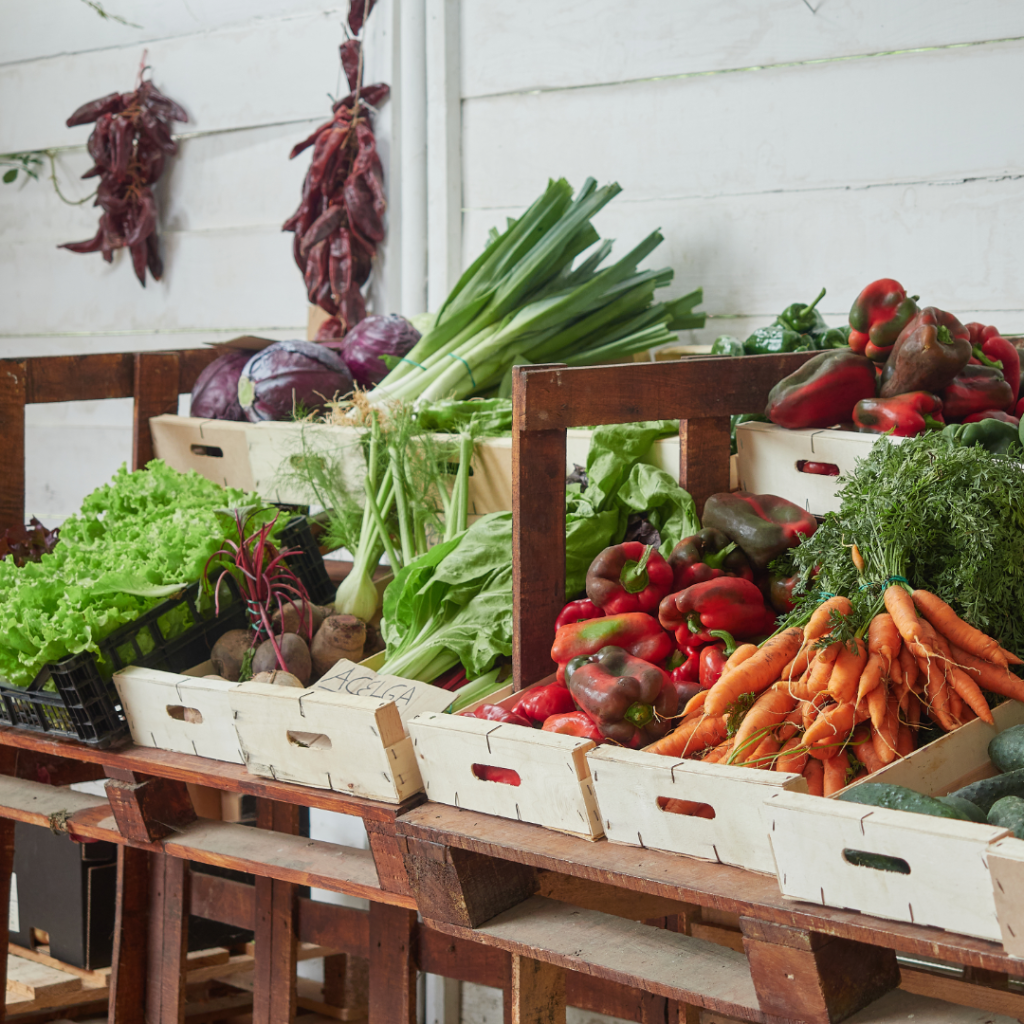
Have you tried exploring the local markets, farmers, or small businesses in your community? You might be surprised by the fresh produce and locally made products you can find!
Supporting them helps sustain local livelihoods, strengthens our communities, and may reduce the need for long-distance transportation.
BUT REMEMBER! Buying local does not automatically mean that a product is more environmentally friendly. How something is grown, produced, packaged, and transported also matters.
You don’t have to purchase everything locally. Start by exploring the options available in your area, choosing seasonal produce when practical, and supporting local producers whenever your budget allows.
4. Think Twice Before That Shopping Spree!
Yes, we have alternatives, but we have to keep other environmental factors in mind when it comes to shopping.
Here are a few tips on how you can shop sustainably:
- List everything you need before ordering to ensure that you will not be making multiple trips or if online, multiple deliveries.
- Always think if you really need it or is it a decision made from your emotions at the moment? I am guilty of this! Rewarding ourselves is okay, but we should be aware when it has become excessive.
- Invest on things that will last longer. We often opt for the cheaper options, but sometimes, they are the ones made with low-quality materials and won’t last long, leading us to unnecessary repurchases that cost us even more in the end.
- DON’T FORGET YOUR REUSABLE BAGS! I have tons of reusable bags, but I still forget them at times. Don’t be like me and always put one in your bag!
- Be careful of too much FAST FASHION. Do not get too excited about cheap, large quantities of clothes. Fast fashion is a major source of pollution, and the more we support it, the more it harms the environment. When it comes to clothes, remind yourself to prioritize quality over quantity.
- Think again before checking out. Review the items you are about to buy and make sure that you have the right quantity, colors, and ONLY THINGS YOU HAVE TO BUY. No pressure.

5. DIY + Secondhand Items

Broken things? Try searching the net for DIY methods to revive it, at least temporarily, before spending to buy a new one. I just repaired my office chair’s broken wheel with something really unconventional because it isn’t practical for me to buy a new one since I’ll be moving anyway. Sometimes, you can easily recycle or even “upcycle” materials around you.
Also, don’t be embarrassed to buy or even sell secondhand items! Some items in our spaces will need replacing over time. Reach out to relatives or friends to see if they have what you need and no longer use it. If they do, offer a reasonable price, but if you get lucky, they might give it away!
MAKE THE LOOP: You may also offer them something you don’t need anymore! It’s up to you whether you want to sell them or give them away.
6. Bring a Tumbler — You Never Know When You’ll Crave Coffee, Milk Tea, or Matcha!
Sometimes, all it takes is passing by your favorite café to suddenly crave an iced coffee, milk tea, or matcha latte. Sounds familiar? One simple habit you can develop is bringing a reusable tumbler whenever you go out. This way, if you decide to treat yourself to a drink, you may avoid using another disposable cup.
Of course, one reusable tumbler can’t eliminate waste entirely. But using something we already own repeatedly can help reduce our reliance on single-use packaging.
HERE’S A TIP: Keep a clean, lightweight tumbler in your everyday bag, especially if you regularly buy drinks outside. Before ordering, ask the café if they accept personal cups, as not all establishments do.
And no, you don’t need to purchase an expensive tumbler!!! Yes, it’s cute, but calm down!
Small habits become more meaningful when we practice them consistently.

7. Buy Only What You Can Consume!
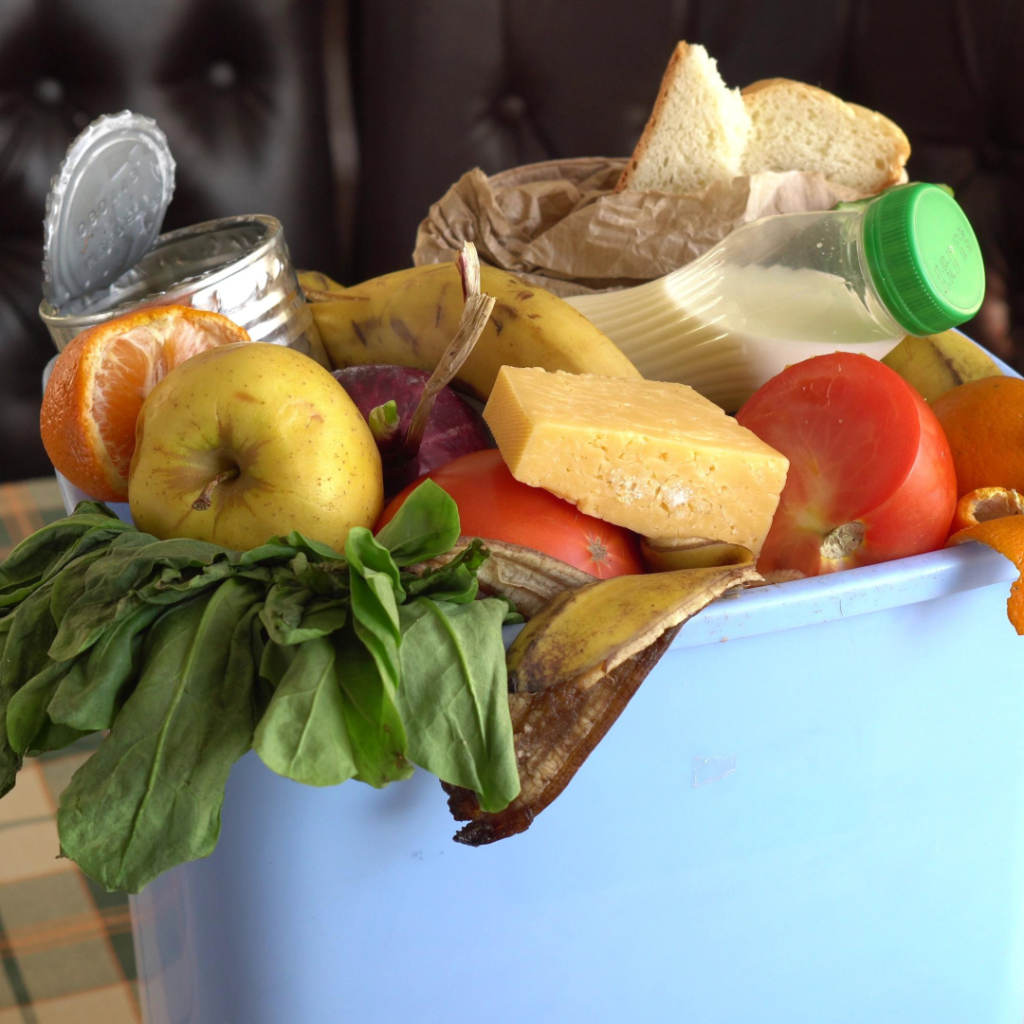
Have you ever bought too many groceries, only to discover some spoiled vegetables hiding at the back of your refrigerator? I think many of us have experienced this!
Food waste is an important environmental issue, and one simple way we can help is to be more mindful of how much food we buy and prepare.
Before heading to the grocery store, check what you already have at home. Plan a few meals, prepare a shopping list, and buy quantities you can realistically consume before they spoil. And don’t forget about leftovers! You can still transform some ingredients into delicious meals instead of letting them go straight to the trash.
BUT! Buying in bulk isn’t necessarily bad, especially when it saves money or reduces packaging. Just make sure you can store or use what you buy.
SMALL TIP: Try having an “Eat What You Have” day! Prepare a meal using ingredients already available in your refrigerator or pantry before buying more groceries.


You must be logged in to post a comment.